



Cabin Creek Meteorite
The Cabin Creek meteorite is a well-known iron meteorite that landed in Arkansas, United States, in 1886. It belongs to Class IIIAB iron meteorites with a mass of about 48.5kg. The directional landing characteristics of this meteorite are very obvious, with different depths of air marks and flow lines on the surface, and it maintains a fixed flight orientation when passing through the atmosphere.

Stannern meteorite
Stannern meteorite is a type of achondrite belonging to the HED meteorite, originating from asteroid 4 Vesta. The meteorite fell around 6am on May 22, 1808, in the village of Stona ř ov in Moravia, Czech Republic today. These meteorites are mainly composed of silicate minerals such as pyroxene and plagioclase, similar to basalt on Earth. The total weight of the meteorite is about 52 kilograms, with the largest fragment weighing 6 kilograms. This is the largest fragment preserved in the Vienna Museum of Natural History.

Western European bison skeleton
The Western bison is a member of the family Oxidae in the order Artiodactyla. The body length is 220-300 centimeters, the tail length is 40-60 centimeters, and the weight is 450-1000 kilograms. Both female and male animals have horns, which are slender and elongated. The horns first turn inward, then turn upward, and then bend forward. The tips of the horns then bend inward. Female animals have shorter and thinner horns. Small head, exposed snout, small eyes, and short ears. The neck is relatively short, with obvious hanging hair from the lower cheeks to the chest.

Saber toothed tiger skeleton
The saber toothed tiger is a carnivorous mammal belonging to the genus saber toothed tiger in the order Felidae. The saber toothed tiger was once widely distributed on the continents of Asia, Europe, and America. It appeared in the Oligocene 35 million years ago and became extinct in the Pleistocene one million years ago. Their living period was during the Quaternary glacial period, when herbivores were slow-moving and easily hunted. But the ice age has ended, and cold resistant large herbivores cannot adapt to climate change and migrate northward, dying due to insufficient food. The saber toothed tiger lost its food source, did not have an advantage in hunting, and even became a prey for humans. In the end, it could only go extinct with the extinction of large thick skinned animals.

Giant lemur skeleton
The weight of the giant lemur is about 50 kilograms, making it one of the largest lemurs in history. It is a slow-moving, bulky creature with a body posture similar to modern koalas. These animals used to inhabit the island of Madagascar. 2300 years ago, humans arrived on the island, causing the species to rapidly decline and eventually become extinct approximately 500 years ago. This skeleton is housed in the Vienna Museum of Natural History.

Oyster reef fossils

Three color Macaw Specimen 3D Scanning of Cuban Macaw

The specimen of Tyrannosaurus rex fossil at the Vienna Museum of Natural History
Tyrannosaurus belongs to the Tyrannosaurus genus of the Tyrannosauridae superfamily and is the only species in this genus. It was named in 1905 by American paleontologist and member of the American Academy of Arts and Sciences, Henry Osborne. If we refer to the translation format of other dinosaur species, it would be more appropriate to translate its species name as' King Tyrannosaurus'. Adult Tyrannosaurus rex is about 12 meters long and weighs around 7 tons, making it one of the largest land predators in Earth's history. This specimen fossil is currently preserved at the Vienna Museum of Natural History.

The specimen plate dinosaur fossil specimen at the Vienna Museum of Natural History
Banlong is an ancient dinosaur from the Triassic period, which lived between 222 million and 200 million years ago. It was the first giant dinosaur to appear on Earth. Before the appearance of the Banosaurus, the largest herbivore had a body size as big as a pig, while the Banosaurus was much larger, with a body the size of a bus. Banlong, meaning "flat reptile," is an ancient dinosaur that lived 210 million years ago during the Late Triassic period. It has a body length of 6-8 meters, a height of 3.6 meters, and a weight of about 5 tons. According to archaeological research, it was the first giant dinosaur that lived on Earth and ate plants. The specimen is currently preserved at the Vienna Museum of Natural History.

Fossil specimen of saber toothed tiger skeleton at Vienna Natural History Museum
The saber toothed tiger is a carnivorous mammal belonging to the genus saber toothed tiger in the order Felidae. The saber toothed tiger was once widely distributed on the continents of Asia, Europe, and America. It appeared in the Oligocene 35 million years ago and became extinct in the Pleistocene one million years ago. Their living period was during the Quaternary glacial period, when herbivores were slow-moving and easily hunted. But the ice age has ended, and cold resistant large herbivores cannot adapt to climate change and migrate northward, dying due to insufficient food. The saber toothed tiger lost its food source, did not have an advantage in hunting, and even became a prey for humans. In the end, it could only go extinct with the extinction of large thick skinned animals.

Fossils of terror beasts, fossil specimens from the Vienna Museum of Natural History
The scientific name of the terror beast is Deinoterium, which means "terrifying beast". The terror beast belongs to the mammalian phylum, long nosed order, and terror beast family. The terror beast is a huge proboscid animal, with some individuals reaching a height of up to 5 meters, making it the third largest known terrestrial mammal to have existed. The lower jaw of the terror beast has a pair of long fangs that curve downwards and backwards, without the upper fangs found in other long nosed animals. The terror beasts appeared in the Miocene and lived until the early Pleistocene. Fossils of terror beasts have been found in all major excavation sites in East Africa, including Hadar, Letoli, Olduvai Gorge, and Lake Turkana.
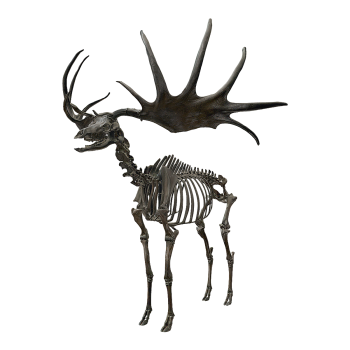
Fossil specimens of Irish elk from the Late Pleistocene in Ireland
The collection of Geology and Paleontology at the Vienna Museum of Natural History includes the primitive fossil skeleton of Megaloceros giganteus, an Irish elk discovered in the late Pleistocene (approximately 12000 years ago). The shoulder height of males is about 2.1 meters, and their antlers are the largest known antlers, with a width of up to 4 meters. About 11700 years ago, many other animals from the Ice Age, like the Irish elk, became extinct in Europe.

Popular Models
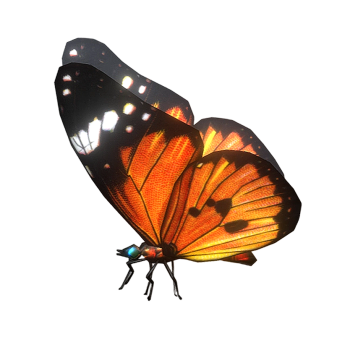
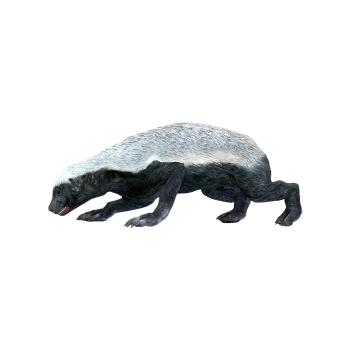
Honey Badger (3D animated model)
192 View
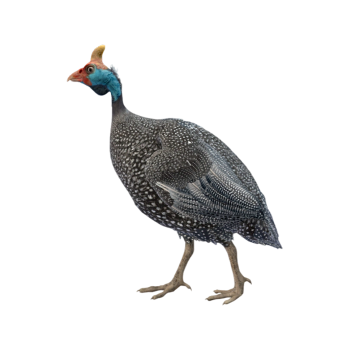
Guinea fowl (3D animated model)
163 View
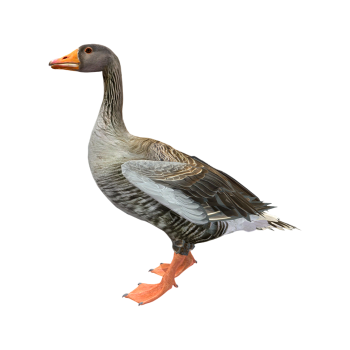
Wild Goose (3D animated model)
185 View
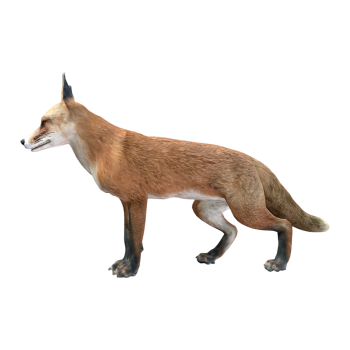
Red Fox (3D animated model)
153 View
Random Model
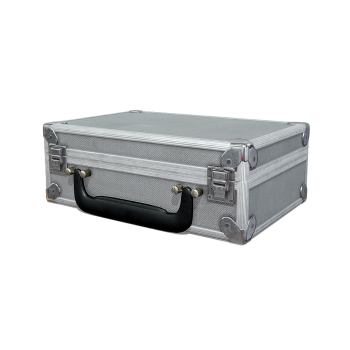
Aluminum alloy tool storage box
472 View

avocado
266 View

Swivel seat
564 View

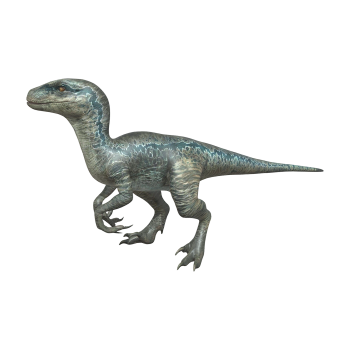
Velociraptor (3D animated model)
132 View

A piece of daisy
528 View


Swinging Snowman (3D Action Model)
170 View
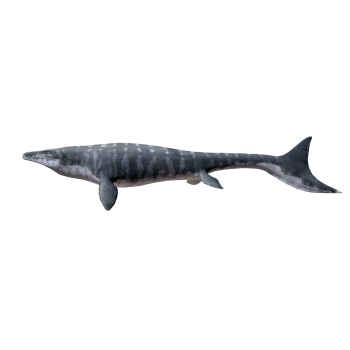
Hoffman Canglong (3D animated model)
135 View
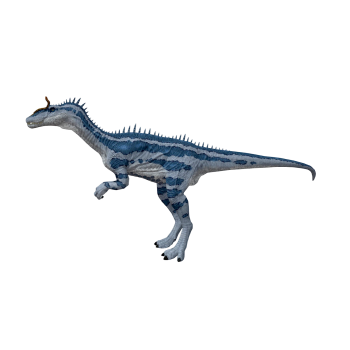
Ice Ridge Dragon (3D animated model)
124 View